
WEBDESK - NAYADAUR
Major US television networks suspended pooled video coverage of President Donald Trump on Monday, escalating a dispute over the White House decision to bar CNN, MS NOW and Politico from its grounds.
The move meant there was no shared television footage of Trump departing the White House for New York, where he was scheduled to attend the UN General Assembly. The rotating television pool, which normally allows major networks to share the costs and footage of presidential events, said it would not cover events designated for presidential pool coverage until further notice.
Fox News Washington bureau chief Bryan Boughton, who was serving as the rotating chair of the television pool, informed the White House press corps that there would be no replacement pool for presidential events. Coverage of other events, including congressional activities, was expected to continue.
The dispute began Friday when Trump announced that CNN, MS NOW and Politico would be barred from the White House. Trump accused the organizations of producing what he called “fiction and lies” about his administration. The outlets said their journalists subsequently had their credentials revoked and were denied entry to the White House grounds.
On Monday, the three organizations filed a lawsuit in federal court in Washington, arguing that the administration violated their First Amendment press rights and Fifth Amendment due-process protections. They are seeking to restore their journalists' access to the White House.
The lawsuit adds a legal dimension to an increasingly tense relationship between the Trump administration and several major news organizations. The outlets said the White House revoked their journalists' credentials without notice or a formal process because it objected to their reporting.
The White House has defended its position, saying access to the building is a privilege rather than an entitlement. Trump has maintained that his actions are directed at what he describes as “fake news,” rather than the broader press.
The White House has also launched a 24-hour streaming operation known as Trump TV, providing footage of presidential appearances, administration announcements and other material directly to viewers.
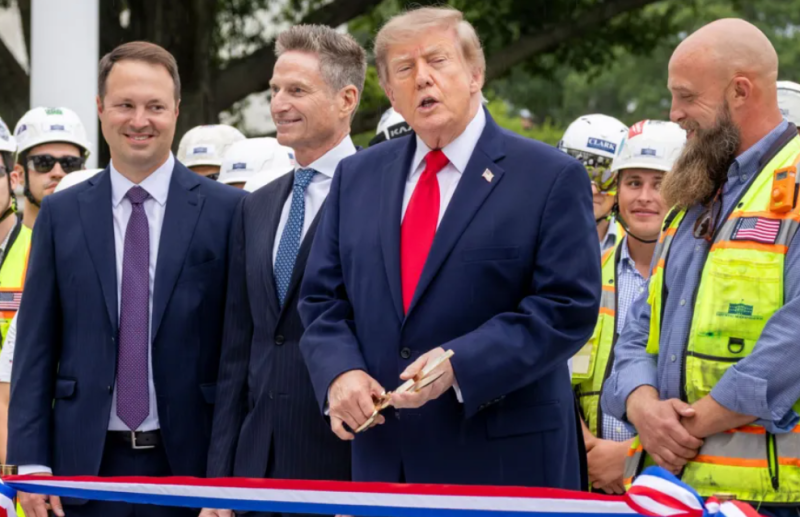
The impact of the media dispute became apparent Monday when the White House streamed Trump's ribbon-cutting ceremony for a new Marine One helipad, but his remarks were reportedly inaudible. The absence of pooled network coverage also affected television coverage of his departure for New York.
Print and photography organizations joined the response. The Washington Post said it would temporarily withhold photographs from Trump's presidential events, including his departure and activities at the United Nations, as part of the broader media response.
Trump later appeared on television after meeting New York City Council Member Zohran Mamdani and dismissed the impact of the boycott, saying the press had announced it would stop covering him but was still present.
The court case is now expected to determine whether the administration can exclude the three organizations under the circumstances at issue. The dispute has revived earlier legal battles over White House press access, including CNN reporter Jim Acosta's successful 2018 challenge to the withdrawal of his press credentials.
The episode has also placed the White House press pool itself at the center of the dispute. The pool exists to ensure that presidential movements and events can be covered even when space, security or logistical constraints prevent every news organization from sending its own television crew.
The confrontation affects not only the three barred organizations but also the system through which American television audiences receive shared footage of presidential activities. The lawsuit and the suspension of pooled coverage have therefore turned a dispute over individual press credentials into a broader legal and operational conflict between the White House and major US news organizations.