
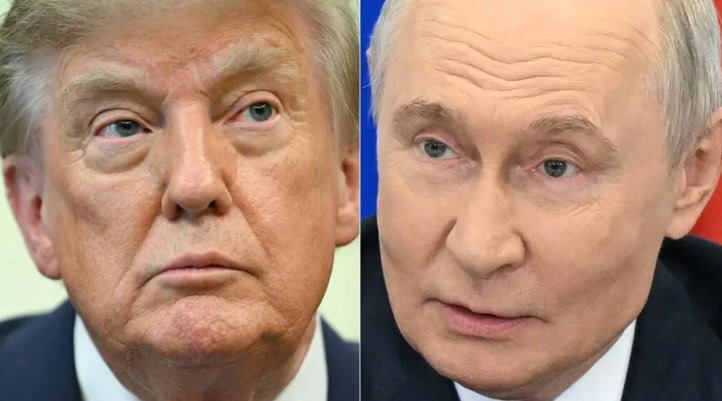
presented the agreement as an effort to ease pressure on American consumers and businesses amid rising energy costs.
Global energy markets have faced renewed disruption following the war in Iran, which has affected supplies and contributed to higher fuel prices. Diesel costs are particularly significant for the transportation, agriculture and logistics sectors, where the fuel is essential to daily operations.
According to the American Automobile Association, the average US diesel price reached $6.23 per gallon on Friday, October 9, after climbing to a record $6.52 on September 22.
Trump said reducing fuel costs for farmers, ranchers and truckers was a priority for his administration.
The announcement also comes ahead of the November 3 midterm elections, when economic conditions and the cost of living are expected to remain important issues for voters.
However, it remains unclear whether the Russian shipments will reach the market quickly enough to influence prices before the election. The scale of any price reduction would depend on delivery schedules, distribution arrangements and broader international energy market conditions.
Russia deal puts US sanctions under scrutiny
The proposed agreement raises questions about how the Trump administration intends to reconcile its efforts to lower domestic fuel prices with its policy of restricting Russian energy revenues.
Western governments have imposed successive rounds of sanctions on Russia following its invasion of Ukraine, targeting financial institutions, government officials, energy companies and the networks used to transport Russian oil.
The announcement is particularly notable because it follows the signing of new US sanctions legislation targeting Russian officials, banks and energy-related shipping networks.
The legislation also restricts new US investment in Russia and dealings involving Russian sovereign debt. It provides for tariffs of up to 100% on leading importers of Russian oil or natural gas, subject to specified exceptions, and directs the administration to take action against major purchasers of Russian energy.
The temporary Treasury licence permitting Russian diesel supplies could therefore raise questions about how the latest arrangement fits within the broader sanctions framework.
The United States halted imports of Russian oil and petroleum products in 2022 following Russia’s invasion of Ukraine. The latest announcement represents a potential departure from that approach, although the precise terms and scope of the temporary authorisation remain important to understanding its implications.
Moscow welcomes energy cooperation
Russian presidential envoy Kirill Dmitriev welcomed the development, reposting the Treasury Department’s announcement on X.
“Russia-US cooperation on diesel and energy will benefit the world,” Dmitriev said.
The response suggests Moscow sees the agreement as an opportunity to expand energy cooperation with Washington despite continuing disagreements over the war in Ukraine.
Trump, however, did not address the conflict in his announcement or explain whether the diesel arrangement would affect the administration’s position on sanctions, military assistance to Kyiv or diplomatic efforts to end the war.
The agreement also leaves open questions about who will buy the fuel, how deliveries will be organized, and whether the proposed volumes will reach American consumers directly or primarily serve wider international markets.
Implications for Washington’s Ukraine policy
The potential arrangement comes at a sensitive time for US relations with both Moscow and Kyiv. Restrictions on Russian energy exports have been a central component of Western efforts to limit the Kremlin’s revenue and increase the economic cost of its invasion of Ukraine.
Any easing of those restrictions, even temporarily, could prompt scrutiny from lawmakers and US allies concerned about the resources available to Moscow to sustain its military campaign.
At the same time, the administration faces domestic pressure to address high fuel prices, which affect household budgets and increase operating costs for businesses across the country.
Whether the diesel agreement represents a limited measure to stabilize energy markets or a broader change in Washington’s approach to Russia will depend on how the arrangement is implemented and whether further exemptions or policy changes follow.
For now, the proposed shipments place energy affordability and geopolitical strategy on a potential collision course. The timing of deliveries, the reach of the Treasury license, and the administration’s subsequent enforcement decisions will help determine the wider consequences for US-Russia relations and the international response to the war in Ukraine.