
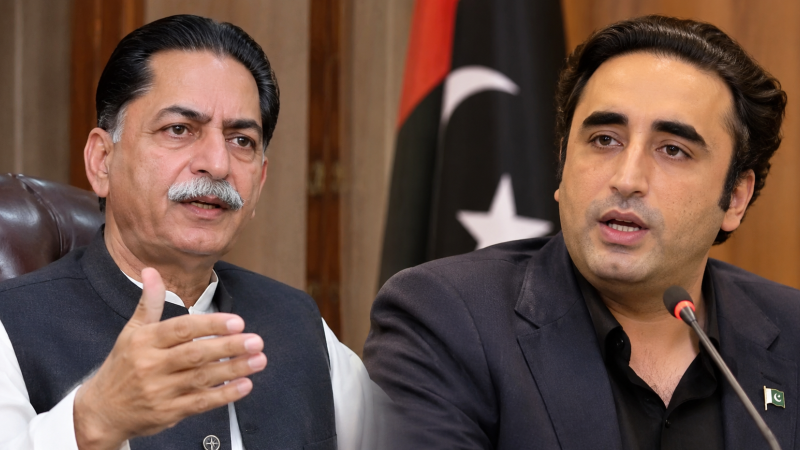
LAHORE, PML-N senior leader Mian Javed Latif on Wednesday endorsed much of Pakistan Peoples Party (PPP) Chairman Bilawal Bhutto-Zardari’s position against holding a referendum on the creation of new provinces, arguing that the issue should be resolved through constitutional procedures and political consensus.
Speaking in Lahore, Latif maintained that a referendum could only be considered on matters for which the Constitution did not provide an established mechanism. Since the 1973 Constitution already outlines the procedure for creating new provinces, he questioned the rationale for bypassing parliamentary and constitutional processes in favour of a referendum.
His remarks broadly aligned with Bilawal’s argument that the creation of new administrative units must not become an instrument of political expediency or trigger confrontation between provinces. However, Latif stressed that he did not question the intentions of those advocating administrative restructuring, insisting that the process must involve all stakeholders and secure consensus among political parties and the provinces.
بلاول بھٹو زرداری کی پریس کانفرنس اور میاں جاوید لطیف کا تفصیلی جواب...! نئے صوبوں کے حوالے سے اگر کوئی کہے کہ ہم ایک صوبہ تقسیم نہیں ہونے دیں گے بھلے خون کی ندیاں بہہ جائیں۔ کیا پنجاب ہی بار بار تقسیم ہوتا رہے گا 1947 میں بھی پنجاب تقسیم ہوا پنجاب کو بار بار گالیاں دی جائیں ایسا نہیں ہوگا۔ آج اگر مولانا فضل الرحمن کا بازو مروڑ کر جیل لے کر جانے اور کسی کا بازو پکڑ کر اسے جیل سے باہر لانے کا ذہن بنایا جا رہا ہے تو کیا یہ قومی مفاد میں ہے؟ یہ قومی مفاد میں نہیں ہے کہ آپ 50 سال خاموش رہیں اور 50 سال بعد کسی کے گھر پر بلڈوزر لے کر چڑھ جائیں۔
— Mian Javed Latif (@Mian_JavedLatif) November 17, 2026
Latif also appreciated Bilawal’s emphasis on political self-accountability, arguing that political leaders should acknowledge their own contributions to the country's prevailing political crisis instead of constantly assigning responsibility to their opponents.
He further maintained that creating additional provinces was not inherently harmful, provided the process was undertaken gradually, transparently and in accordance with constitutional requirements. Political parties, he argued, should be trusted to negotiate the matter, while the interests and concerns of all provinces must remain central to any proposed restructuring.
Responding to Bilawal’s warning that the creation of new provinces could lead to bloodshed on the streets of Karachi, Latif emphasised the importance of dialogue and provincial agreement. He argued that political confrontation could be avoided if the debate remained within constitutional boundaries and no province or political stakeholder was sidelined.
However, Latif sought to shift the national conversation towards the economic and social difficulties confronting ordinary Pakistanis, arguing that political leadership was increasingly consumed by debates over administrative boundaries while the public struggled with rising living costs.
He called for a broader political discussion on reducing electricity, gas and petrol prices, controlling inflation and mounting national debt, expanding educational opportunities and constructing dams to address long-term development needs.
“Ninety per cent of the population would prefer a debate on these pressing issues over the creation of new provinces,” he argued, suggesting that the political leadership's priorities remained disconnected from the immediate concerns of citizens.
His remarks underscored the growing disconnect between elite political debates and the everyday economic pressures facing the population, particularly as inflation, energy costs and public debt continue to constrain household finances and national development.
Latif questioned the rationale behind remaining silent for decades before using bulldozers against someone's home, arguing that such selective responses to political and public grievances undermined the principles of fairness and national interest
On the ongoing legal proceedings concerning Pakistan Tehreek-e-Insaf (PTI) founder Imran Khan’s request for medical treatment, Latif said the matter should be assessed through the collective opinion and recommendations of a medical board. He stressed that a medical consensus should guide decisions regarding the appropriate course of treatment.
Latif’s intervention comes amid renewed political debate over provincial restructuring, with competing demands for administrative reform raising questions about constitutional safeguards, provincial autonomy and the role of political consensus in determining Pakistan’s future administrative structure.