
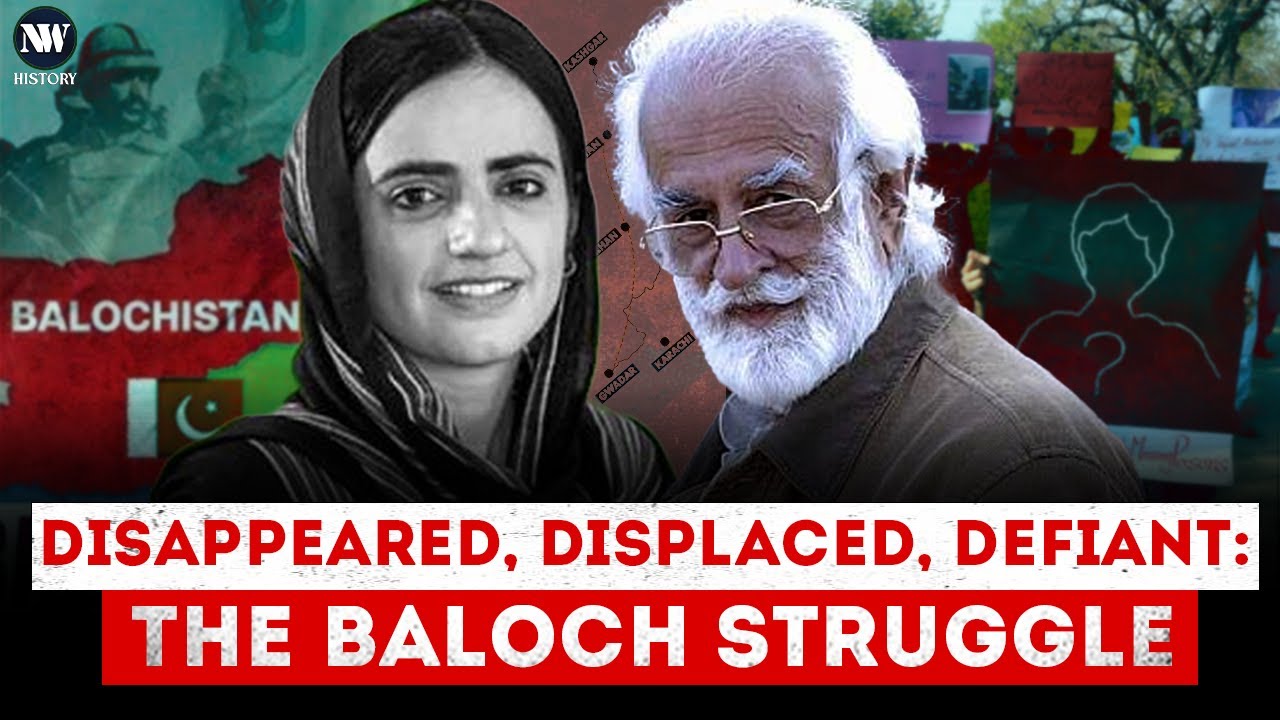
Balochistan’s conflict with the Pakistani state is rooted in a long and complex history that predates the creation of Pakistan itself, according to a new historical documentary series examining the evolution of Baloch nationalism.
The story begins with the Khanate of Kalat, a princely state established in the 17th century that served as the political and cultural centre of Baloch identity. Though tribal and decentralised in structure, Kalat represented a rare form of Baloch sovereignty. British colonial intervention in the 19th century weakened this autonomy, placing Kalat under indirect rule while preserving a fragile façade of self-governance.
Political consciousness intensified in the early 20th century as educated Baloch leaders demanded independence and constitutional rights. These movements were suppressed by the British, but they laid the foundations of modern Baloch nationalism.
Following the partition of British India in 1947, Kalat briefly declared independence before acceding to Pakistan in March 1948, a decision still contested by many Baloch historians. The accession was followed almost immediately by the first armed uprising, setting a precedent for decades of resistance.
Subsequent rebellions erupted in 1958 and again in the 1970s, the latter becoming the bloodiest phase of the conflict. Tens of thousands of fighters and troops were involved, with Iran backing Pakistan due to fears of unrest spilling across its borders. Although the insurgency was crushed, mistrust deepened.
The conflict evolved again in the 21st century following the killing of veteran leader Nawab Akbar Bugti in 2006. A new generation of educated, urban militants emerged, targeting infrastructure and security forces. The launch of the China–Pakistan Economic Corridor further inflamed tensions, as locals accused the state of exploiting resources without consent.
Human rights concerns, particularly enforced disappearances, have become central to the conflict, drawing international attention. Activists argue that the crisis is not merely about security, but about identity, political inclusion, and historical injustice.
As Pakistan grapples with renewed insurgency and global scrutiny, the Baloch question remains unresolved, an enduring challenge shaped by history, geopolitics, and unmet demands for dignity and autonomy.