
Iran and the United States moved further away from a potential agreement on Monday after Tehran defended its latest response to Washington’s peace proposal as “legitimate”, while US President Donald Trump rejected it as “TOTALLY UNACCEPTABLE”, deepening uncertainty over efforts to end the regional conflict.
Iranian Foreign Ministry spokesperson Esmaeil Baqaei said Tehran’s response, conveyed through Pakistan, focused on ending the regional conflict, lifting the US blockade on Iranian ports, and releasing frozen Iranian assets abroad.
“We did not demand any concessions. The only thing we demanded was Iran’s legitimate rights,” Baqaei told a weekly press briefing.
He said Iran had also sought guarantees for “safe passage through the Strait of Hormuz” and regional security arrangements involving Lebanon.
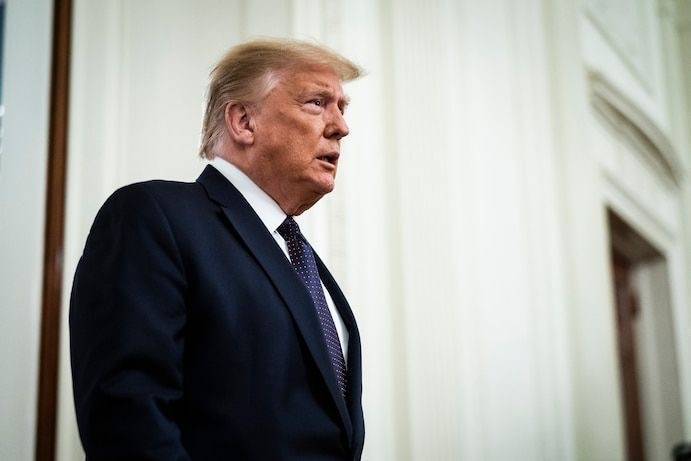
Trump dismissed the Iranian response in a post on Truth Social late Sunday without disclosing specific details.
“I have just read the response from Iran’s so-called ‘Representatives.’ I don’t like it — TOTALLY UNACCEPTABLE!” he wrote.
The exchange has further clouded prospects for a ceasefire and renewed negotiations following weeks of conflict involving Iran, Israel and the United States.
Iranian President Masoud Pezeshkian maintained Tehran’s defiant stance, saying: “We will never bow down to the enemy, and if there is talk of dialogue or negotiation, it does not mean surrender or retreat.”
Israeli Prime Minister Benjamin Netanyahu, meanwhile, insisted the conflict could not end unless Iran’s nuclear infrastructure was dismantled.
“It’s not over, because there’s still nuclear material — enriched uranium — that has to be taken out of Iran,” Netanyahu told CBS’s 60 Minutes.
Iran also warned Britain and France against any naval deployment in the Strait of Hormuz after both countries discussed plans for a multinational maritime security coalition.