
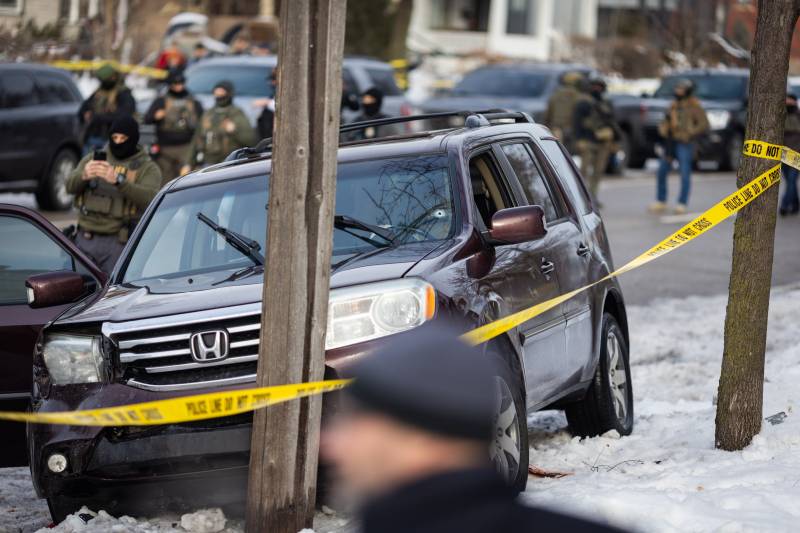
A 37‑year‑old woman was shot and killed by an agent of United States Immigration and Customs Enforcement (ICE) during a federal immigration enforcement operation in Minneapolis on 7 January, sparking outrage, protests and a bitter federal‑state dispute over accountability.
The victim, Renée Nicole Good, a Minneapolis resident, mother of three and award‑winning poet, was inside her vehicle on a residential street when federal agents approached as part of a wider immigration crackdown in the Twin Cities. Footage recorded by bystanders showed agents moving towards her SUV, and one agent firing multiple shots as the car appeared to manoeuvre away from them. Good was struck and later pronounced dead in the hospital.
Federal officials, including the Department of Homeland Security, have defended the use of force, alleging Good attempted to “weaponise her vehicle” and pose a threat to officers. Those claims have been vigorously disputed by local authorities, including Minneapolis Mayor Jacob Frey, who described the federal account as inaccurate and said video evidence did not support the self‑defence justification.
The shooting has ignited public anger in Minneapolis and beyond, with thousands attending vigils and protests. State leaders, such as Minnesota Governor Tim Walz, have criticised the federal response and the exclusion of local investigators from key evidence. A jurisdictional conflict has emerged, as federal authorities assert immunity and restrict state access to the ongoing investigation.
Community advocates and rights groups have called for an independent, transparent inquiry into the circumstances that led to Good’s death and heightened scrutiny of ICE enforcement tactics. The incident comes amid an expanded federal immigration operation that has already drawn significant opposition in major US cities.