
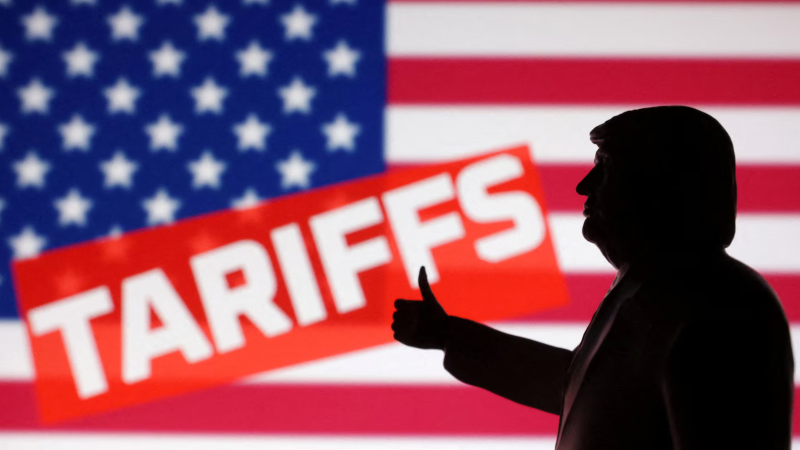
The United States Trade Representative has proposed new import duties of between 10 and 12.5 per cent on goods from around 60 economies, including Pakistan, India, China, the European Union, and the United Kingdom, over allegations that they have failed to adequately prevent the import of goods linked to forced labour.
The proposal, which follows a series of trade investigations launched by the United States into major trading partners, is now subject to a public comment period ending on 6 July, after which hearings will be held before any final decision is taken.
According to the US Trade Representative, 54 economies were found to have “failed to impose and effectively enforce a forced labour import prohibition”. These include China, Vietnam, Taiwan, India, and the United Kingdom.
A further six economies, Canada, Ecuador, the European Union, Indonesia, Mexico and Pakistan, were assessed as not having effectively enforced such prohibitions.
The US Trade Representative, Jamieson Greer, said the failure to address forced labour in global supply chains was “unacceptable”, arguing that it placed American workers at a disadvantage by creating an “unlevel playing field”.
The proposed tariffs include exemptions for certain goods such as beef, coffee, selected fruits and nuts, as well as some textiles and apparel. Goods from Canada and Mexico that comply with the North American Free Trade framework will also be exempt.
The measures form part of a wider effort by the Trump administration to rebuild its tariff strategy after the US Supreme Court struck down a range of earlier duties in February. Following that ruling, Washington opened new investigations into trading partners including China, the European Union and Japan, focusing on forced labour and global overcapacity concerns.
The announcement has already drawn criticism from several affected economies. China rejected the allegations outright, with a foreign ministry spokesperson stating there was “no so-called forced labour” in the country and accusing Washington of political manipulation.
The European Commission also described the proposed tariffs as “unjustified”, while the Swiss government said it disagreed with the US assessment of labour practices in multiple countries.
The tariff proposals come ahead of the 24 July expiry of a temporary 10 per cent tariff imposed earlier this year under the Trump administration.