
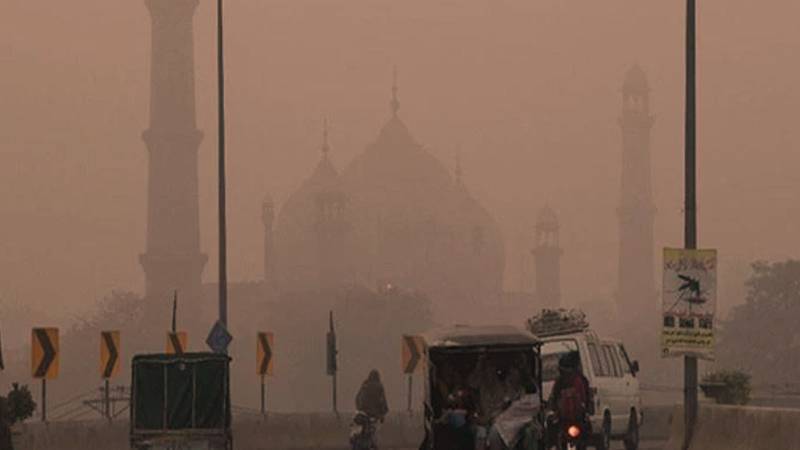
I take pride in being from Lahore, a city renowned across the world as the home of vibrant and lively hearts. In Punjabi, there is an old saying: “Jinne Lahore nai vekhya, o jamya nai” Whoever has not seen Lahore has not truly been born. Lahore has always been more than just a city; it is a feeling, a rhythm, a heartbeat that never stops.
Life here moves like a river, ceaseless, colourful, and full of warmth and energy. Lahoris possess an extraordinary ability to adapt to any circumstance. They find joy in small things, gather to celebrate festivals, weddings, and even cricket victories with unmatched zeal. They stand by one another in moments of sorrow and happiness alike. The people of Lahore are hospitable, generous, and ever ready to lend a helping hand. They cherish gardens, parks, and lively company. Whatever their financial standing, Lahoris take pride in good food, elegant attire, and open-heartedness.
Yet, with a heavy heart, I must admit that the Lahore I grew up in, the city of flowers and fragrance, has now become one of the most polluted cities in the world. The data shared by international environmental monitoring agencies is alarming. According to the Air Quality Index (AQI), Lahore frequently records readings above 300 on several days each year, levels deemed hazardous to human health. This means that simply breathing in Lahore has become dangerous.
Smog, once an unfamiliar word for Lahoris, now covers the city like a dark shroud from October to February. Schools are forced to close, flights are delayed, and hospitals report a surge in respiratory and eye diseases.
But Lahore was not always like this. I still remember the time when mornings in Lahore were filled with mist, not smog, when one could see Shalimar Gardens, the Tomb of Jahangir, Minar-e-Pakistan, and the Badshahi Mosque gleaming under the sun, not veiled behind a grey haze. Once, Lahore and its surroundings were green and fertile. The fields around Shahdara, Thokar Niaz Baig, and Raiwind thrived with crops and trees. The air carried the scent of rain-soaked earth, and the Ravi River, though modest in flow, breathed life into the city’s landscape.
Planting trees once a year is not enough; it must become a civic habit
Even when farmers burned leftover straw after harvest, the air remained clean and breathable. The smoke dispersed quickly into open skies, as there was ample greenery to absorb it.
So, what changed?
The change came with unchecked urban expansion and reckless planning. Over the last two decades, Lahore’s population has grown rapidly, now exceeding 14 million. The city that once ended at Kot Lakhpat and Mughalpura now stretches beyond Bahria Town and Defence Phase VIII. Vast agricultural lands have been converted into housing societies. Each new development brings roads, vehicles, and commercial plazas, but at the cost of trees, fields, and open spaces.
Planners and developers, in their race for profit, seldom consider environmental sustainability. No proper waste management systems were established; industrial units were allowed to operate without emission controls; and the city’s green lungs were slowly suffocated.
Even our symbols of progress, such as the Metro Bus and the Orange Line Train, though convenient for commuters, have come at an environmental cost. Massive concrete structures were built, yet little was done to offset the damage to the city’s air quality. Trees were felled for road expansion, but few were replanted. Experts warn that the Ravi Riverfront Urban Development Project, though ambitious, has further endangered Lahore’s fragile ecological balance. The shrinking of natural water channels has worsened air stagnation, intensifying the formation of smog.
Today, the people of Lahore, especially children and the elderly, are paying the price. Respiratory illnesses such as asthma, bronchitis, and allergies have surged. Doctors at hospitals, including Mayo, Services, and Jinnah, report a marked rise in pollution-related cases during the winter months. Students are compelled to stay home on “smog days,” disrupting their education. The once cheerful Lahori evenings, filled with gatherings at Food Street, Gulshan-e-Iqbal, or Race Course Park, have turned into hours spent indoors to avoid the polluted air.
Development and modernisation are indeed essential for a growing population. However, unplanned development is a slow poison. Cities far older and more populous than Lahore, such as London, Paris, and Beijing, once faced severe pollution but managed to reverse it through discipline, planning, and foresight. Beijing, for instance, imposed strict regulations on industries, relocated factories away from urban centres, and promoted electric transport, resulting in a visible improvement in air quality over the last decade. Singapore and Seoul have also integrated greenery into their urban design, ensuring that every new development includes parks and green spaces.
Lahore can and must do the same. The city needs a comprehensive and enforceable environmental management strategy, one that is practical, consistent, and visionary. Planting trees once a year is not enough; it must become a civic habit. The government must encourage the use of electric and hybrid vehicles, introduce stricter emission standards, and ban the burning of agricultural waste near the city. Industrial zones should be relocated away from residential areas. The Ravi and other waterways must be revived to restore the city’s natural ecosystem. Citizens, too, must play their part by reducing waste, conserving energy, and promoting cleanliness.
Lahore is not merely a place; it is a living chapter of history. It has witnessed the grandeur of the Mughals, the wisdom of Sufi saints, and the courage of freedom fighters. It is the cultural heart of Pakistan, where poetry, art, and hospitality blend into one soul. But today, that soul is gasping for breath.
If we wish to keep Lahore alive as the city of lively hearts, we must first make it a city of clean air and open skies once again. The fragrance of its gardens, the melody of its streets, and the laughter of its people must not be lost beneath a blanket of smoke. The time to act is now, not tomorrow, not next year, so that the next generation may proudly say: Yes, we have seen Lahore, and it is still the city that was never truly born to die.