
WEBDESK - NAYADAUR
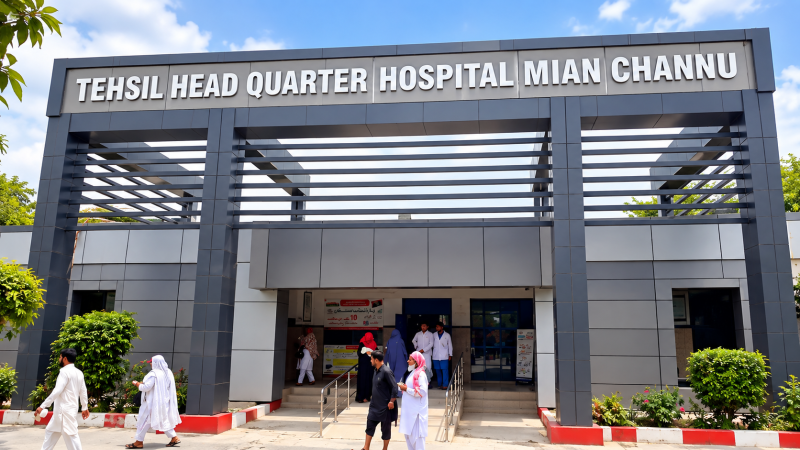
Four patients undergoing dialysis at the Tehsil Headquarters Hospital in Mian Channu have tested positive for HIV, raising concerns over infection-control practices at the healthcare facility in south Punjab.
According to reports, the patients, including three women, were receiving regular dialysis treatment at the hospital when they were diagnosed with HIV. The hospital administration subsequently referred them to Nishtar Hospital Multan for further medical evaluation and treatment, where they are currently being treated.
Hospital officials said more than 60 patients were receiving dialysis at the facility and maintained that HIV could not be transmitted through the dialysis process. They said the situation was being assessed.
However, sources indicated that additional dialysis patients may also have tested positive for HIV, although hospital officials did not confirm any further cases.
The development has renewed concerns about infection-control standards at dialysis centres in Punjab, particularly in light of previous HIV outbreaks associated with healthcare facilities.
In November 2024, around 30 kidney patients at Nishtar Hospital Multan were reported to have contracted HIV while undergoing dialysis. One patient later died after developing complications. A Punjab government fact-finding committee subsequently confirmed an HIV/AIDS outbreak in the hospital's nephrology unit and identified violations of dialysis guidelines and standard operating procedures.
A scientific study published in 2026 by researchers from Aga Khan University and the Punjab AIDS Control Programme found that the Multan dialysis cases were closely linked and provided evidence that the infections originated within the healthcare setting.
Following the Nishtar Hospital outbreak, the Punjab government ordered proceedings under the PEEDA Act against senior officials and medical staff in January 2025 over alleged negligence and mismanagement.
Another significant HIV-related health crisis was reported in Taunsa, where 106 children tested positive for HIV and were registered with the AIDS Control Programme in March 2025. The government established a screening and treatment centre at the local THQ hospital and ordered action against senior health officials.
A joint mission involving the World Health Organization, UNICEF, UNAIDS and other partners later conducted door-to-door screening of around 50,000 people in the affected area. Authorities also supplied auto-disable syringes to government hospitals and sealed hundreds of clinics allegedly being operated by unqualified practitioners.
The Punjab AIDS Control Program provides free HIV testing, counseling, treatment, diagnostic services and follow-up care. Treatment centres have been established in districts including Lahore, Multan and Dera Ghazi Khan, with more than 14,000 patients reportedly receiving free treatment.
At the national level, the National AIDS Control Programme reported that 84,421 HIV cases had been registered in Pakistan by December 2025. Of those, 60,785 were receiving antiretroviral therapy through 98 treatment centres.
The latest cases in Mian Channu are expected to prompt further assessment of the hospital's infection-control procedures and screening of other dialysis patients to determine whether additional infections have occurred.