
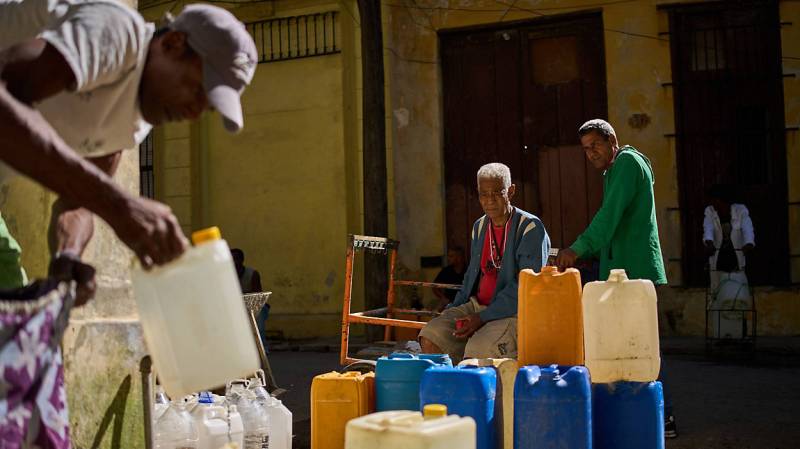
Cuba’s worsening energy crisis has entered a critical phase after the island exhausted a donated shipment of Russian oil, prompting warnings from senior officials that fuel reserves have effectively run dry amid intensifying US sanctions and soaring summer demand.
In a televised address on Wednesday night, Cuba’s Energy and Mines Minister, Vicente de la O Levy, said the country’s electricity grid was under severe strain and that diesel supplies had been depleted.
“The situation is very tense, it’s becoming hotter,” the minister said on state television, referring to rising temperatures that increase electricity consumption across the Caribbean island.
“We have absolutely no diesel,” he added, warning that blackouts in parts of the capital, Havana, were now lasting between 20 and 22 hours a day.
The crisis follows months of tightening pressure from the administration of Donald Trump, which has intensified sanctions on Cuba and targeted oil shipments linked to its ally, Venezuela. Cuban officials say the country has effectively been cut off from regular fuel imports for more than four months.
A Russian oil donation delivered in late March temporarily eased shortages but was exhausted earlier this month, according to officials.
The worsening shortages have triggered scattered protests in several cities, with residents banging pots and pans during lengthy power outages. Many Cubans now report struggling to charge phones, cook meals or power electric mopeds, while some families wake during brief overnight periods of electricity to carry out household chores.
Cuba produces roughly 40,000 barrels of oil per day but consumes more than double that amount, leaving the island heavily dependent on imported fuel. Officials say rising global oil and shipping prices, partly linked to tensions surrounding the US-Israeli confrontation with Iran, have further complicated efforts to secure supplies.
Despite expanding solar infrastructure with panels donated by China, de la O Levy acknowledged that inconsistent weather conditions and a lack of battery storage capacity limited the system’s reliability, particularly during peak night-time demand.
The Cuban government announced this week that it would liberalise fuel prices, ending long-standing state controls in an attempt to manage shortages and stabilise supply.
Meanwhile, Washington said on Wednesday it was offering Cuba $100 million in assistance if Havana implemented what the US described as “meaningful reforms” to its communist system.