
WEBDESK - NAYADAUR
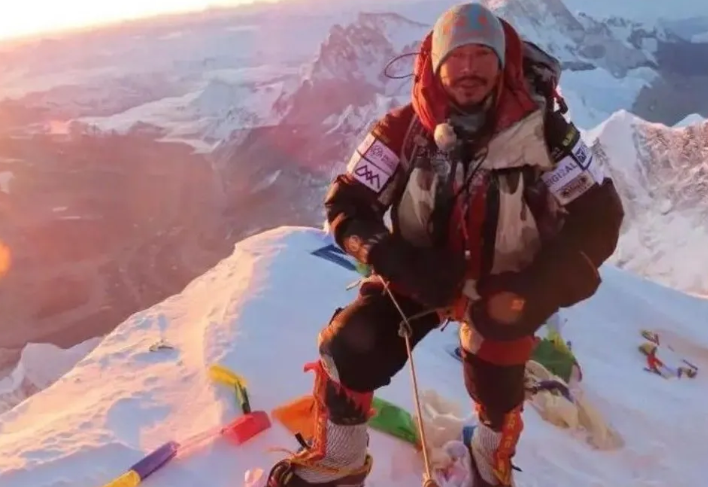
The death of renowned Nepalese mountaineer Nirmal Purja on Pakistan’s Broad Peak this summer set off a painstaking recovery mission in which his closest friends risked their own lives to bring the climbers’ bodies home.
Purja, widely known as Nims, and Kili Pemba Sherpa were among a group of climbers caught in a massive avalanche while ascending Broad Peak in Pakistan’s Karakoram range on July 30. Drone footage later showed bodies on the mountain, with no apparent survivors.
Mingma Gyalje Sherpa, a longtime friend and fellow elite mountaineer, was climbing nearby on K2 when the disaster occurred. The two had first met in Pakistan in 2021 as members of the first team to summit K2 in winter.
Mingma had known Purja through his reputation and his Netflix documentary 14 Peaks, which chronicled Purja’s achievement of climbing the world’s 14 highest mountains in just over six months. The two later became close friends after initially meeting as competitors.
On the morning of July 30, conditions initially appeared favorable. Climbers were moving toward the summit of Broad Peak under clear skies. Less than an hour after trekkers photographed the group on the mountain, witnesses reported hearing a huge crack before an avalanche swept down both sides of the peak.
Mingma was eventually alerted that communications with the Broad Peak team had been lost. Tracker data showed that one climber’s altitude had suddenly dropped by about 1,600 meters.
A drone sent up the following morning located bodies on the mountain. Mingma, who had hoped his friends might still be alive, called off his K2 expedition and began focusing on recovering them.
The recovery proved exceptionally difficult. Helicopter evacuation was considered but could not be carried out immediately due to logistical and weather constraints. The rescuers therefore had to climb to the bodies and bring them down on foot.
The danger intensified when another avalanche struck as the recovery team began lowering the bodies. Some rescuers eventually left, reducing the team from nine to six, then to four. Mingma remained behind to coordinate the operation by drone while three climbers continued the recovery. After five to six hours, they succeeded in bringing the bodies down the slope.
Mingma believes Purja and Kili may have covered their faces after seeing the avalanche approaching. The two were attached to the same rope, and he believes they may have struck each other during the fall.
The recovered bodies were flown by helicopter to Skardu, then transported to Islamabad before being returned to their families. Other climbers were also found dead, while the body of Nepalese climber Nawang Thindu Sherpa remained on the mountain.
Purja’s family expressed gratitude to Mingma and the rescue team for bringing him home. For Mingma, however, the mission has ltaken anemotional toll and raised questions about whether he can continue climbing.
“I’m not sure if it helps, if the memory helps me to keep climbing or it makes me stop,” he said.