
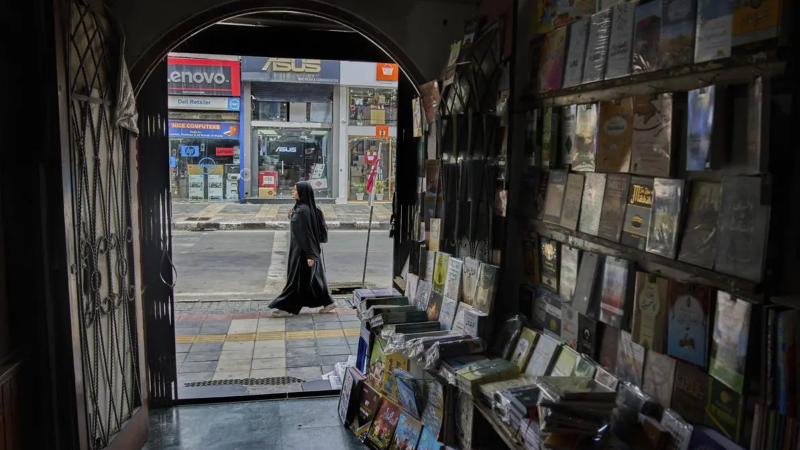
In a blatant assault on freedom of expression and intellectual inquiry, the Indian government, through the Jammu and Kashmir administration, has imposed a sweeping ban on 25 books that critically address the region’s troubled history, politics, and ongoing human rights crisis. The order, issued by Lieutenant Governor Manoj Sinha, a close ally of Prime Minister Narendra Modi’s Bharatiya Janata Party (BJP), marks yet another effort to silence dissent and erase narratives that challenge India’s official version of Kashmir.
Among the banned works are influential and widely respected voices, including Booker Prize winner Arundhati Roy, historians Sumantra Bose and Victoria Schofield, constitutional expert AG Noorani, and prominent Kashmiri journalists like Anuradha Bhasin. These books document decades of conflict, the struggles for Kashmiri self-determination, and allegations of systemic abuses by Indian security forces, including enforced disappearances, extrajudicial killings, and curbs on civil liberties.
The government’s justification accuses the banned books of promoting “false narratives,” “secessionism,” and “terrorist glorification,” framing critical scholarship and testimonies of Kashmir’s lived realities as threats to national sovereignty. This move reflects an alarming pattern of repression following the 2019 revocation of Jammu and Kashmir’s special constitutional status under Articles 370 and 35A. Since then, New Delhi has intensified censorship, mass detentions, communications blackouts, and military presence in the region.
In a coordinated crackdown, police raided bookstores and even the Chinar International Book Festival in Srinagar, forcibly seizing copies of the banned literature. These raids have sent a chilling message to intellectuals, publishers, and Kashmir’s youth, effectively criminalising inquiry and dialogue.
Scholars like Angana Chatterji have condemned the ban as an attempt to “criminalise scholarship” and “silence Kashmir’s pain and resistance.” The censorship erases decades of documented state violence and political struggle, reinforcing a one-sided narrative that denies Kashmiris their right to free expression and self-determination.
Rather than fostering peace and reconciliation, India’s repressive policies deepen alienation and mistrust, perpetuating the cycle of conflict. The book ban not only suppresses inconvenient truths but also undermines the democratic ideals India claims to uphold.
As Kashmir continues to bear the brunt of political and military control, the world must recognise these acts of censorship as part of a broader strategy to suppress dissent and deny the Kashmiri people their fundamental rights.