
WEBDESK - NAYADAUR - Imran Malik
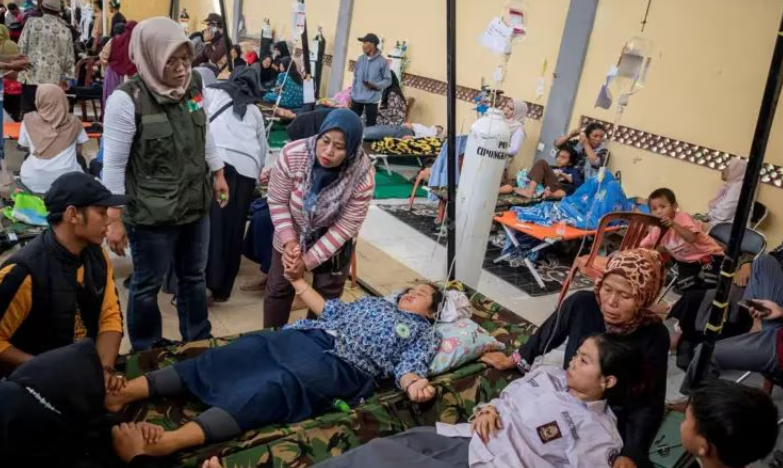
Nearly 2,000 people have fallen ill in suspected food poisoning incidents linked to Indonesia’s flagship Free Nutritious Meals program this week, adding to mounting concerns over food safety as the government expands the initiative nationwide.
About 1,950 students, teachers and Islamic boarding school pupils were affected by separate incidents reported between Tuesday and Thursday in East Java, Central Java, West Sumatra, Aceh and South Sulawesi, according to local officials.
The program, known as MBG, is a central initiative of President Prabowo Subianto’s administration and aims to provide free meals to millions of children and other vulnerable groups across Indonesia.
The largest reported outbreak occurred in Rembang regency in Central Java, where 752 students and 25 teachers at State Senior High School 1 Lasem developed symptoms including diarrhoea, nausea, vomiting and stomach pain after consuming meals supplied through the program.
Another major incident occurred in Sidoarjo, East Java, where 730 people, mostly students at the Manbaul Hikam Islamic boarding school, were affected.
Local health authorities said hundreds of those treated in Sidoarjo had already been discharged and were recovering at home.
Officials also reported 276 suspected cases in Agam regency in West Sumatra. Meal distribution from the local nutrition service centre was suspended while authorities investigated the incident.
In Aceh’s Bener Meriah regency, 15 elementary school students and a school principal received treatment after reporting dizziness, nausea and other symptoms following a school meal.
A further 152 students from two junior high schools in Tana Toraja, South Sulawesi, were treated at three hospitals after developing symptoms consistent with food poisoning.
No deaths have been reported from the latest incidents, while authorities continue to investigate the causes.
The outbreaks come as the government faces growing scrutiny over the implementation of the ambitious meal program. Health Ministry surveillance data showed that, as of Sept. 2, suspected food poisoning incidents associated with MBG had affected 50,059 people in 560 cases across 245 districts and cities in 36 provinces.
National Nutrition Agency chief Sudaryono said internal reviews found that about 80% to 90% of previous food poisoning incidents were linked to failures to follow food safety procedures.
Those failures included improper food storage, problems in receiving ingredients, inadequate temperature controls and meals being consumed beyond prescribed deadlines, he said.
The agency is reviewing roughly 27,000 meal distribution centres across the country and has pledged to strengthen oversight of food providers.
Inspectors have also identified hundreds of allegedly fictitious facilities, while at least 833 kitchens have reportedly been closed for failing to meet hygiene and sanitation requirements.
The program has also faced allegations of corruption. Former National Nutrition Agency chief Dadan Hindayana was arrested in June following a corruption investigation, adding another challenge to the government's effort to expand the initiative.
The Free Nutritious Meals program is intended to address malnutrition and childhood stunting by providing meals to nearly 90 million students, toddlers and pregnant women. The initiative is expected to cost about $28 billion through 2029.
The latest illnesses are therefore likely to intensify questions over whether Indonesia’s rapidly expanding meal-delivery network can maintain adequate food safety standards while meeting the government’s ambitious nationwide targets.