
WEBDESK - ABC - Imran Malik
A Maltese court has acquitted businessman Yorgen Fenech of charges that he masterminded the 2017 murder of investigative journalist Daphne Caruana Galizia, dealing a major blow to efforts to secure accountability in a killing that sparked international outrage and political upheaval.
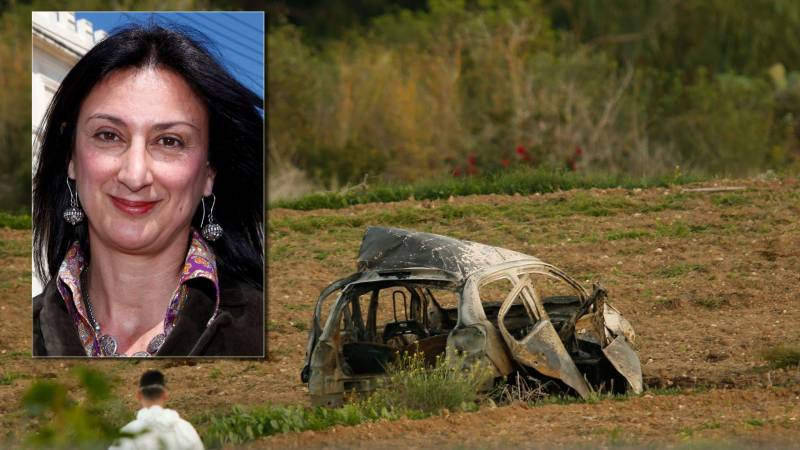
Fenech, a wealthy businessman with interests in the energy and tourism sectors, had been accused of commissioning the car-bomb assassination of Caruana Galizia, who was 53 when she was killed near her home.
Caruana Galizia's family said the acquittal denied the journalist the justice she deserved.
The outspoken reporter, often described as a “one-woman WikiLeaks,” spent years investigating alleged corruption and financial dealings involving prominent figures in Malta's political and business establishment.
Her death in October 2017 drew condemnation across Europe and raised concerns about the rule of law in Malta, the European Union's smallest member state.
Fenech was arrested in 2019 while attempting to leave Malta aboard his yacht after a middleman in the murder investigation was offered a pardon in exchange for information about those involved.
Prosecutors alleged that Fenech ordered the killing because Caruana Galizia was preparing to publish damaging information concerning his uncle.
Five people have been convicted in connection with the murder.
In June 2025, Robert Agius and Jamie Vella were convicted of supplying the bomb used in the assassination and were sentenced to life in prison. Brothers George and Alfred Degiorgio, along with Vince Muscat, were also convicted for carrying out the killing and are serving prison sentences.
The murder became a defining political crisis for Malta and contributed to the resignation of then-prime minister Joseph Muscat in January 2020 following mass protests over concerns that his government had sought to shield politically connected figures from the investigation.
A public inquiry published in 2021 concluded that the Maltese state should bear responsibility for the circumstances surrounding Caruana Galizia's death, citing what it described as an atmosphere of impunity.
The 437-page report found that the journalist had been subjected to persistent personal attacks and verbal abuse by political figures and that the environment created a “favorable climate” for her assassination.
The inquiry also said there was convincing evidence that those responsible for the killing believed they would receive protection from people occupying the highest levels of the state.
Fenech's acquittal does not affect the convictions of the five other men linked to the murder, but it leaves unresolved one of the central questions that has haunted Malta for nearly a decade: who ultimately ordered the killing of one of Europe's most prominent investigative journalists?