
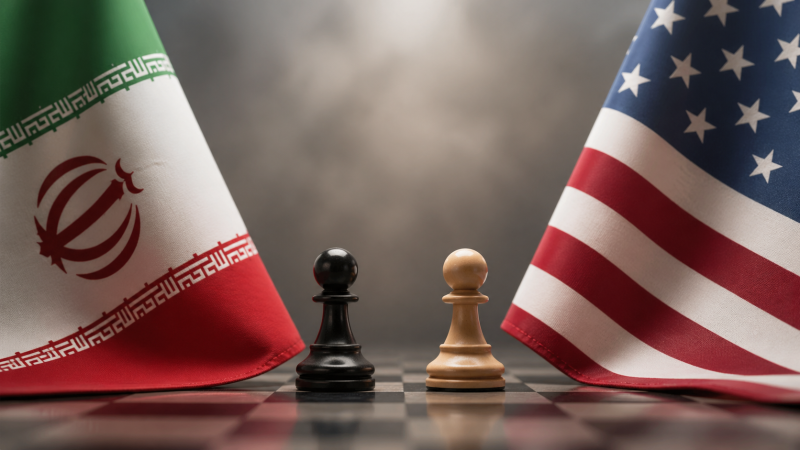
The administration of Donald Trump has signalled it is unlikely to accept a new Iranian proposal aimed at de-escalating tensions in the Gulf, as disagreements over Tehran’s nuclear programme continue to block a broader settlement.
The offer, relayed to Washington via Pakistan, comes amid a fragile ceasefire following weeks of conflict that disrupted global energy markets and heightened regional instability.
What’s in the proposal?
Iran’s plan centres on reopening the Strait of Hormuz, a critical artery through which roughly one-fifth of global oil and liquefied natural gas supplies pass. Tehran has effectively restricted access to the waterway during the conflict, contributing to rising energy prices and supply chain disruptions.
In exchange, Iran has asked the United States to lift its naval blockade on Iranian ports and halt military pressure. Crucially, the proposal defers negotiations over Iran’s nuclear programme until after a formal end to hostilities.
Iranian officials have framed the move as a confidence-building measure, arguing that complex nuclear talks require time, technical engagement, and a less volatile political environment.
The initiative reflects a shift from earlier approaches, where Tehran had linked limits on its nuclear activities directly to sanctions relief. Analysts say Iran now views that model as unworkable, given the collapse of prior negotiations and persistent mistrust.
Why Washington is sceptical
Early responses from Washington indicate strong reservations. According to US officials, the absence of immediate nuclear constraints is a central concern, with the administration unwilling to relinquish leverage without firm guarantees.
Marco Rubio acknowledged the proposal was more substantive than expected but questioned Iran’s intentions, stressing that any agreement must prevent Tehran from advancing towards a nuclear weapon.
President Trump has been more direct, arguing that maintaining the blockade is more effective than military strikes in pressuring Iran. He has insisted that sanctions relief or de-escalation steps will only follow if Tehran agrees to abandon any pathway to nuclear weapons.
Officials also fear that reopening Hormuz without resolving the nuclear issue would weaken Washington’s negotiating position, allowing Iran economic relief without making strategic concessions.
Escalation risks remain
Behind the scenes, US military planners have reportedly prepared options for limited strikes on Iranian infrastructure should diplomacy fail, although no final decision has been taken.
Tehran, meanwhile, has warned that continued economic pressure could trigger “unprecedented” retaliation, underscoring the volatility of the standoff.
With both sides appearing entrenched, the gap between immediate de-escalation and long-term strategic demands remains wide, raising doubts about whether the current ceasefire can evolve into a durable peace.