
WEBDESK - NAYADAUR
Saudi Arabia temporarily shut down its East-West oil pipeline after drones launched from Iraqi territory struck the crucial export route, causing injuries and damage, Saudi authorities said Friday.
The attack comes as Riyadh has increasingly relied on the pipeline to move crude to the Red Sea and avoid the Strait of Hormuz, which has been closed by Iran since the start of the wider Middle East war.
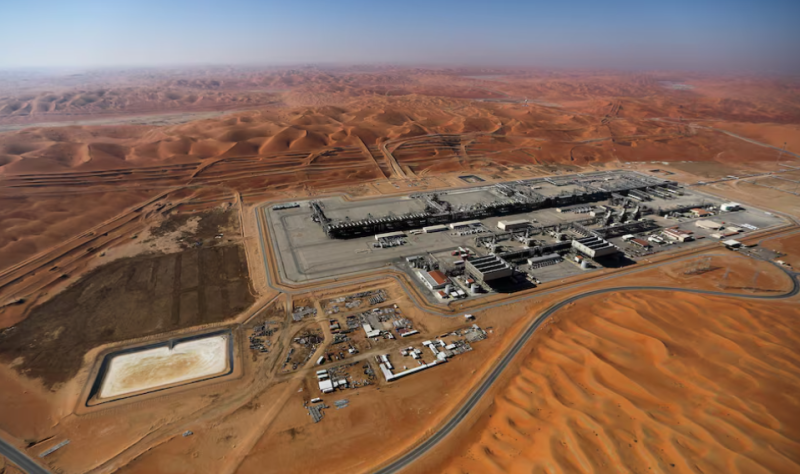
The East-West pipeline links Abqaiq in Saudi Arabia's Eastern Province with the Red Sea port of Yanbu, providing an alternative route for Saudi oil exports that avoids the strategic waterway through which a significant share of global energy supplies normally passes.
Saudi Arabia's Foreign Ministry condemned what it described as an attack on the pipeline in the Riyadh and Medina regions by several drones originating from Iraq.
An Energy Ministry official told the Saudi Press Agency that the pipeline was stopped as a precaution and that the attacks caused injuries.
Satellite imagery from Copernicus Sentinel Data taken Thursday showed black smoke rising near Medina along the general route of the pipeline.
The incident adds another threat to energy infrastructure and shipping routes across the region. Yemen's Iran-backed Houthi forces have also intensified their campaign against Saudi Arabia, which supports Yemen's internationally recognized government.
The Houthis announced a maritime blockade against Saudi Arabia in July and have attacked Saudi-linked oil tankers in the Red Sea.
The latest developments came as Houthi forces captured the strategic Yemeni island of Perim in the Bab al-Mandab Strait, expanding their control over the narrow maritime passage connecting the Red Sea with the Gulf of Aden.
The Houthis said navigation through the Bab al-Mandab remained safe for vessels other than those linked to Saudi Arabia.
Iraq's government confirmed that the drones originated from Iraqi territory and said the commander responsible for the southern province of Maysan had been dismissed.
Iraqi Prime Minister Ali al-Zaidi's office condemned the attacks and said they had originated from a location inside the province.
Riyadh said it had decided not to retaliate immediately following a request from the Iraqi prime minister. Saudi Arabia said it would support Baghdad's efforts to prevent attacks launched from Iraqi territory against the kingdom and neighboring states.
Saudi authorities nevertheless warned that the kingdom reserved the right to take measures necessary to defend its sovereignty, security, infrastructure and people.
Saudi Arabia has previously accused Iranian-backed Iraqi militias of attacking its oil facilities.
The attack has also heightened concerns over energy prices. Oil prices climbed above $100 a barrel this week, while average U.S. diesel prices surpassed $6 for the first time on Friday, adding economic pressure in the United States ahead of the midterm elections.
Bahrain, Jordan and Qatar condemned the attack, while the Gulf Cooperation Council described it as a dangerous escalation and an unacceptable threat to Saudi Arabia's security.
With the Strait of Hormuz closed and the Bab al-Mandab increasingly contested, attacks on alternative energy routes could further complicate efforts to maintain the flow of oil from the Gulf to global markets.