
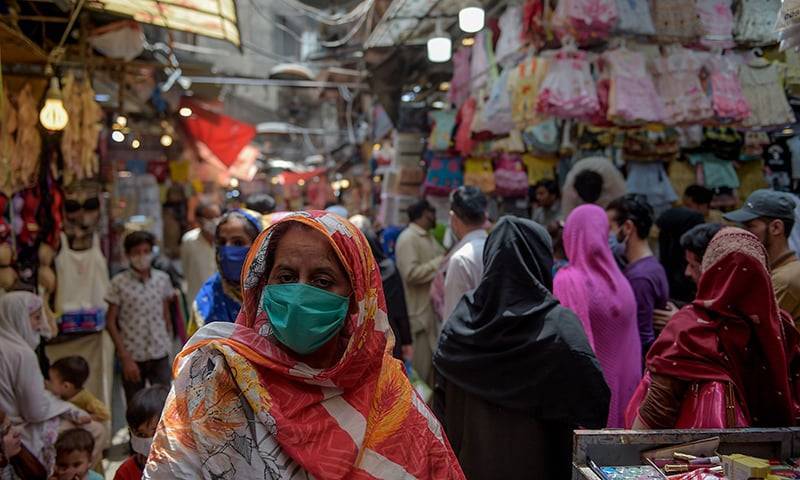
The federal government has ordered the closure of markets and shopping malls at 8 pm across all provinces except Sindh, as part of nationwide energy conservation measures introduced in response to rising global fuel costs linked to the ongoing Middle East conflict.
The decision was taken at a high-level meeting on petroleum pricing chaired by Prime Minister Shehbaz Sharif on Monday, according to an official statement issued by the Prime Minister’s Office.
Under the new measures, effective from April 7, markets, shopping malls, departmental stores and shops dealing in daily-use goods in Punjab, Khyber Pakhtunkhwa, Balochistan, Islamabad, Gilgit-Baltistan and Azad Jammu and Kashmir will be required to shut by 8 pm. In Khyber Pakhtunkhwa, however, markets in divisional headquarters will be allowed to remain open until 9 pm.
Restaurants, bakeries, tandoors, food outlets and marriage halls will close at 10 pm, while private wedding events at homes will also be restricted beyond that time. Medical stores and pharmacies have been exempted from the restrictions.
In a relief measure, the prime minister also announced that intercity public transport in Gilgit and Muzaffarabad will be free for one month.
The move comes amid mounting economic pressure driven by a surge in global oil prices following escalating tensions in the Gulf. The conflict, now over a month old, began after joint military strikes by the United States and Israel on Iran on February 28. In retaliation, Tehran targeted US military bases in the region and effectively blocked the Strait of Hormuz, a critical artery for global oil shipments.
The disruption has significantly strained global energy supply chains, prompting governments worldwide to adopt fuel conservation measures.
Pakistan has already felt the impact, with petrol and diesel prices rising sharply in recent weeks. On March 6, the government increased fuel prices by Rs55 per litre. By April 2, petrol had surged to Rs458.41 per litre and diesel to Rs520.35 per litre, reflecting steep increases attributed to international market volatility.
A day later, Prime Minister Shehbaz Sharif announced a temporary reduction in petrol prices to Rs 378 per litre for one month by cutting the petroleum levy by Rs 80 per litre.
The government has also introduced broader austerity measures, including a proposed four-day workweek, cuts to fuel allowances and a 20 per cent reduction in expenditure across government departments, as it seeks to cushion the economic fallout of the crisis.